-
-
-
Kigo Rd, Kampala- Close To Sapphire Hotel

Nurturing the Mental Health of Uganda’s Children.
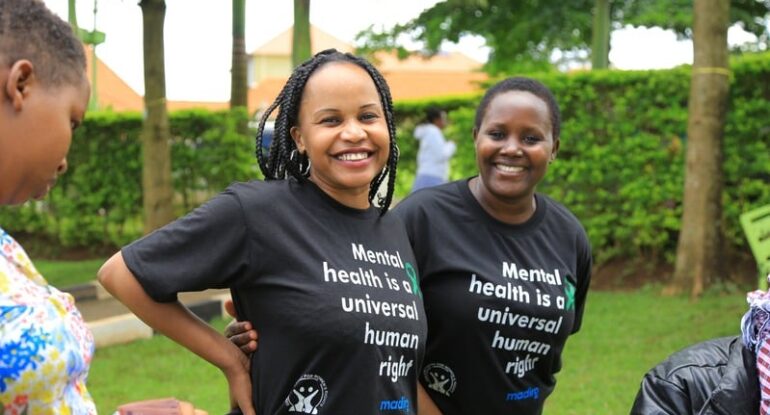
Nurturing the Mental Health of Uganda’s Children.
Here at the Mumwe Heart of God Foundation, we believe every child is a precious gift, a beacon of hope for our nation’s future, we see their potential in the vibrant laughter that echoes across schoolyards and in the quiet curiosity in their eyes. But just as we nourish their bodies with food and water, we must also tend to their inner worlds i.e. their minds and hearts. In today’s changing world, creating safe spaces for children’s mental health, both at home and at school, is not a luxury; it is a fundamental necessity.
A “safe space” is more than just a roof over a child’s head and it is an environment both physical and emotional where a child feels seen, heard, and unconditionally valued. It’s a place where they can express their fears without being dismissed, share their joys without being judged, and make mistakes without being ashamed. This sense of psychological safety is the fertile ground from which confidence, resilience, and compassion grows.
The Home:
The First and Most Important Sanctuary
For a child, home is the first classroom and the first community, it is where the foundation of their mental well-being is laid. As parents and caregivers, we are the primary architects of this sanctuary and so how can we build it?
Firstly, through active listening in our busy lives, it’s easy to offer quick solutions but creating a safe space means pausing, getting down to their level, and listening not just to their words, but to the emotions behind them. When your child says they are “sad,” instead of saying “don’t be sad,” try asking, “Can you tell me more about that sadness?” This simple act validates their feelings and teaches them that their inner world matters most.
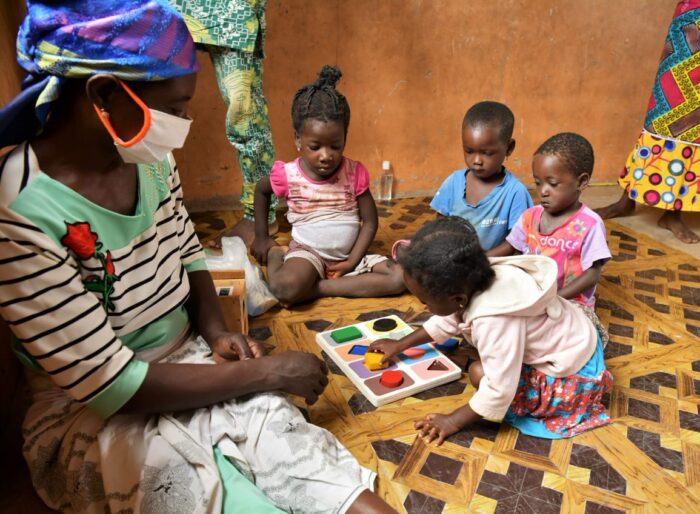
Secondly, by embracing emotional literacy, help your children name their feelings. Use simple words: “It looks like you’re feeling frustrated because the tower blocks fell down,” or “I can see you’re feeling proud of your drawing.” When children have the vocabulary to express themselves, they are less likely to act out in frustration. Let them know that all feelings of joy, anger, sadness and fear are okay; it’s how we manage them that counts.
Finally, through the power of routine. Predictable daily rhythms, like a shared meal, a bedtime story, or a simple morning prayer, create an anchor of stability in a child’s life. This consistency tells a child, “You are safe. You are cared for and the world is a reliable place.”
The School: A Community of Care and Growth
For many hours of the day, our children are in the care of our dedicated teachers and schools must therefore be extensions of this safe haven. This begins with empowering our educators given that teachers are on the front lines, often the first to notice when a child is struggling. Providing them with basic training in child psychology and mental health first aid equips them to spot signs of distress, such as withdrawal, aggression, or sudden changes in behavior, and respond with empathy rather than punishment.
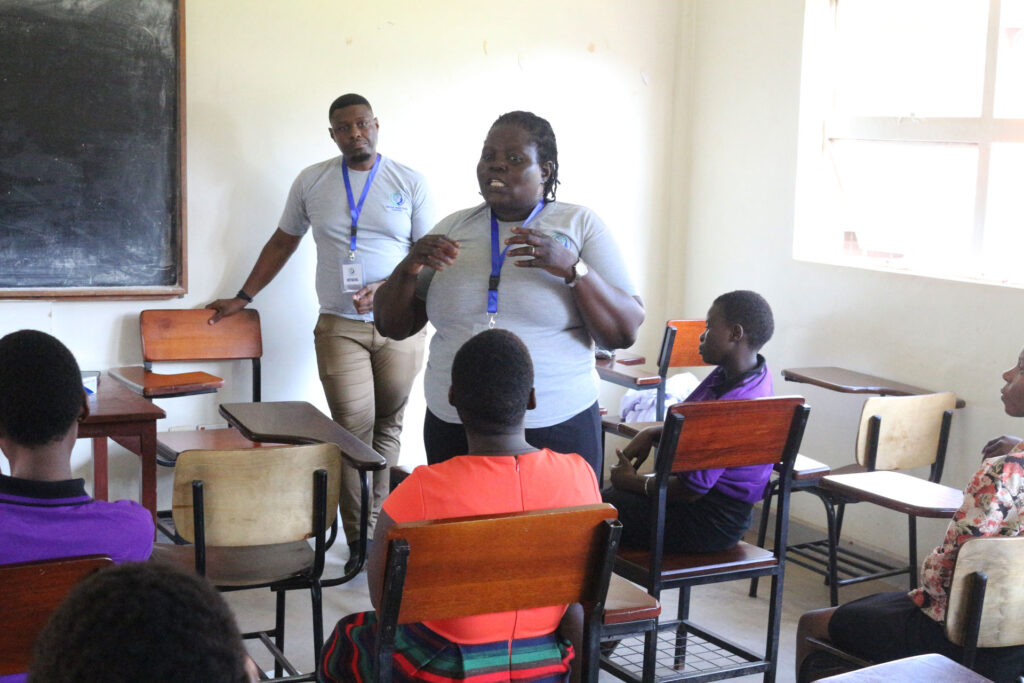
Furthermore, schools can actively foster a culture of kindness. This can be attained through anti-bullying campaigns, peer-support programs where older children mentor younger ones, or simply by celebrating acts of compassion in morning assembly. When a school community champions empathy, it creates a powerful buffer against the isolation that can fuel mental health challenges.
A practical and low-cost initiative is the creation of a “calm corner” in every classroom normally this is a quiet, comfortable space with soft cushions or a mat where a child can go to self-soothe when they feel overwhelmed. It’s not a punishment corner, but a sanctuary for regulation, teaching a vital life skill: how to manage one’s own big feelings.
Bridging the Two Worlds:
The most powerful support system for a child is when home and school work in harmony. Open communication between parents and teachers is much vital, a quick chat after school, a note in a communication book, or parent-teacher meetings that focus not just on academics but on the child’s overall well-being can make a world of difference. When a child sees the key adults in their life working as a team, they feel an incredible sense of security.
At the Mumwe Heart of God Foundation, we are committed to championing this holistic approach and we believe that by nurturing the mental health of our children, we are not just helping individual families; we are investing in the heart of our nation. Let us work together as a team of parents, teachers, and community members to weave a safety net of love, understanding, and support around every child, ensuring they have the safe havens they need to truly flourish and your contribution towards supporting these works is highly appreciated join us via our [email protected] or call +256700135510 and be part of the life changing team.